HOSTILIA
INDEPENDENT MAGAZINE
An editorial experimentation that reintroduces friction as a critical and material condition of the present. Hostilia explores conflict as a generative force, exposing the invisible pressures shaping contemporary systems. Through hostile contact, tensions accumulate, deform, and rupture, transforming the magazine into a space where resistance is both narrative and experience.
[2026]
[ART DIRECTION] [EDITORIAL DESIGN]
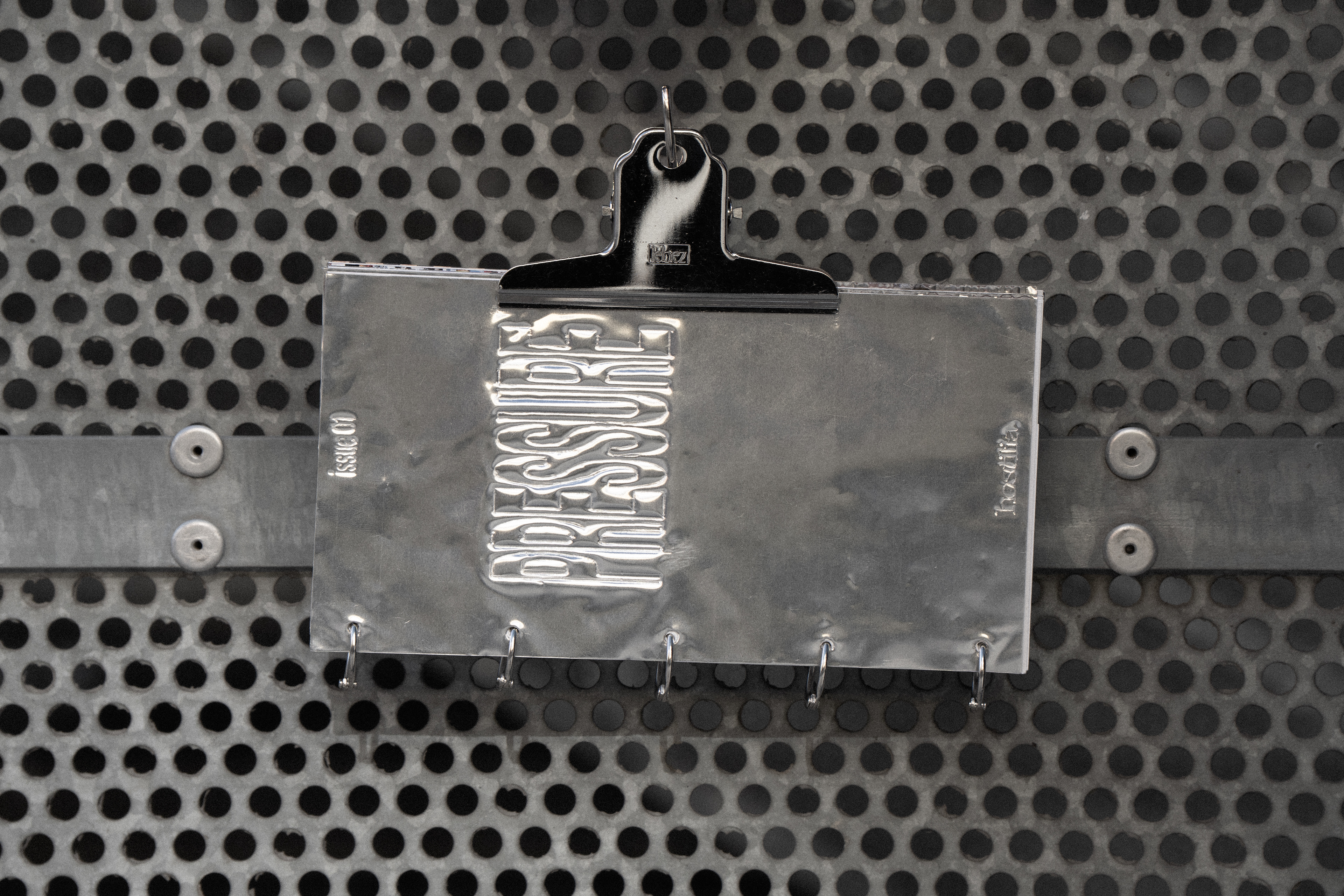
The project originates from a critical brief that questions the notion of a “frictionless” digital environment, where touch is neutralized and conflict is progressively erased. In response, it reintroduces friction as a structural condition of contemporary reality. Built around the concept of hostile contact—the inevitable encounter between forces whose coexistence generates pressure, wear, and transformation—Hostilia frames conflict as a systemic tension capable of revealing limits and triggering change. From this premise, emerges a biannual magazine developed across a five-issue cycle, addressing a culturally and politically engaged readership. The naming derives from the Latin hostilis, evoking the idea of contact as an unavoidable collision between entities in constant negotiation. Each issue investigates a specific manifestation of this condition—Pressure, Wear, Resistance, Collision, Constraint—treating conflict not as spectacle, but as a productive and revelatory force.
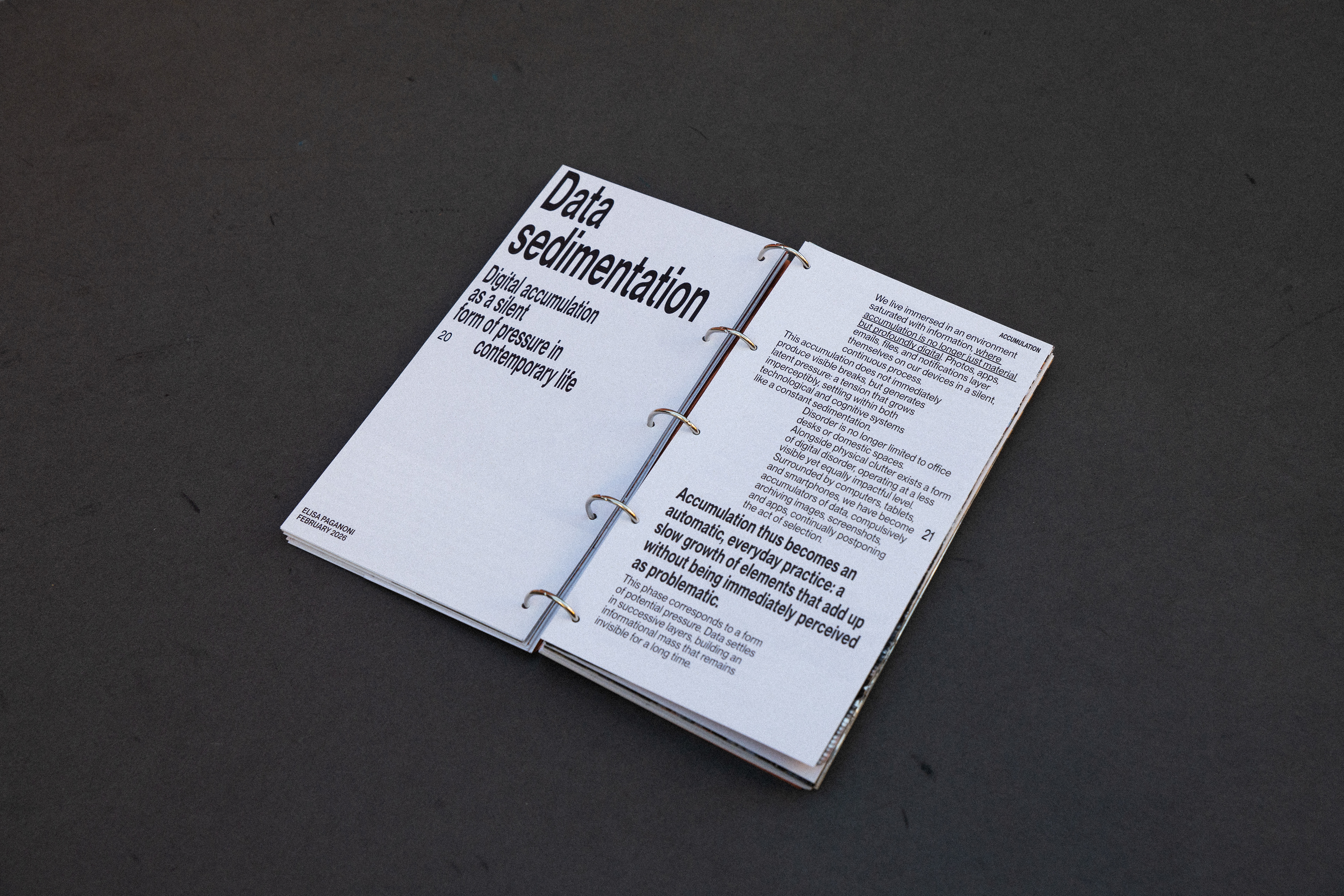
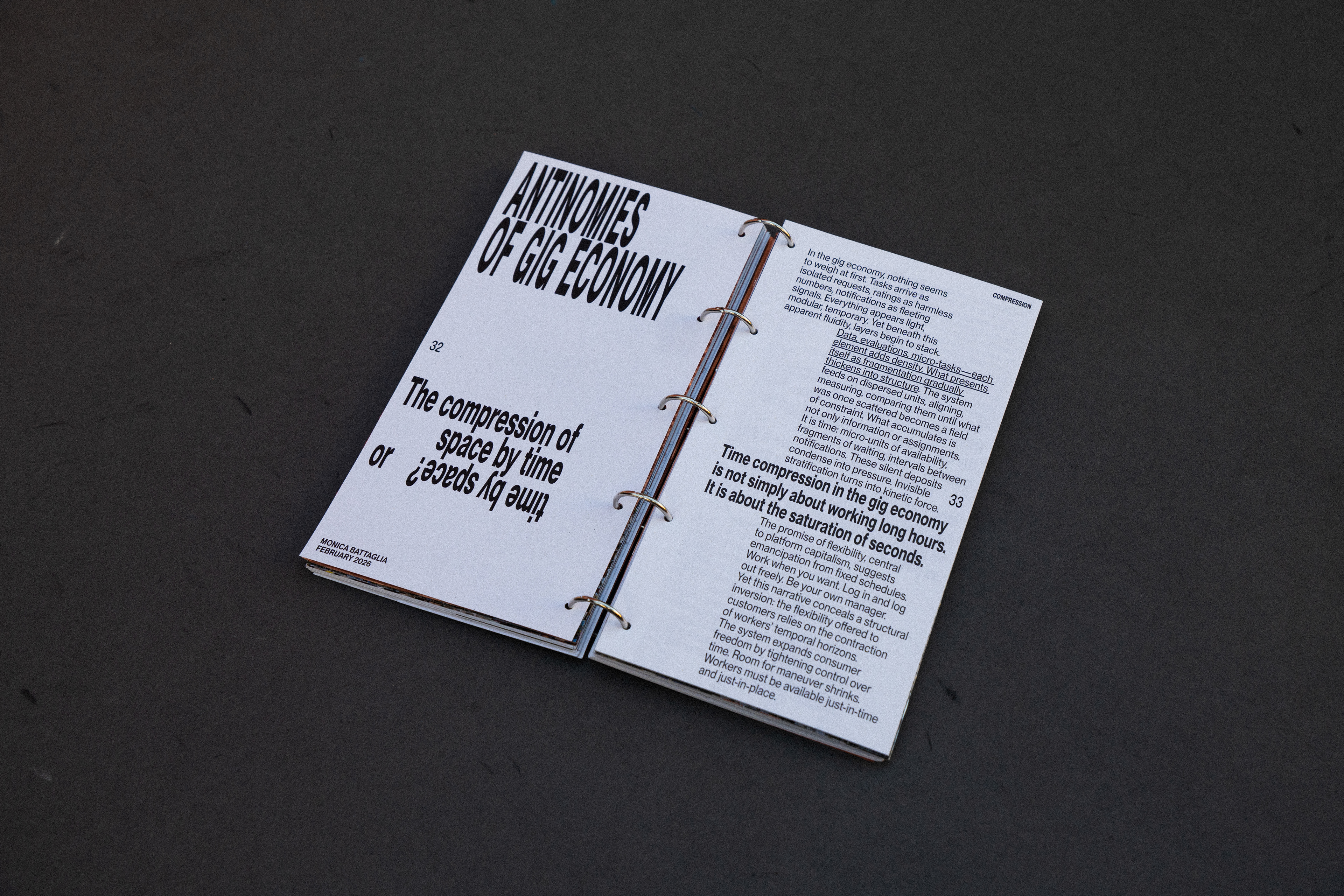
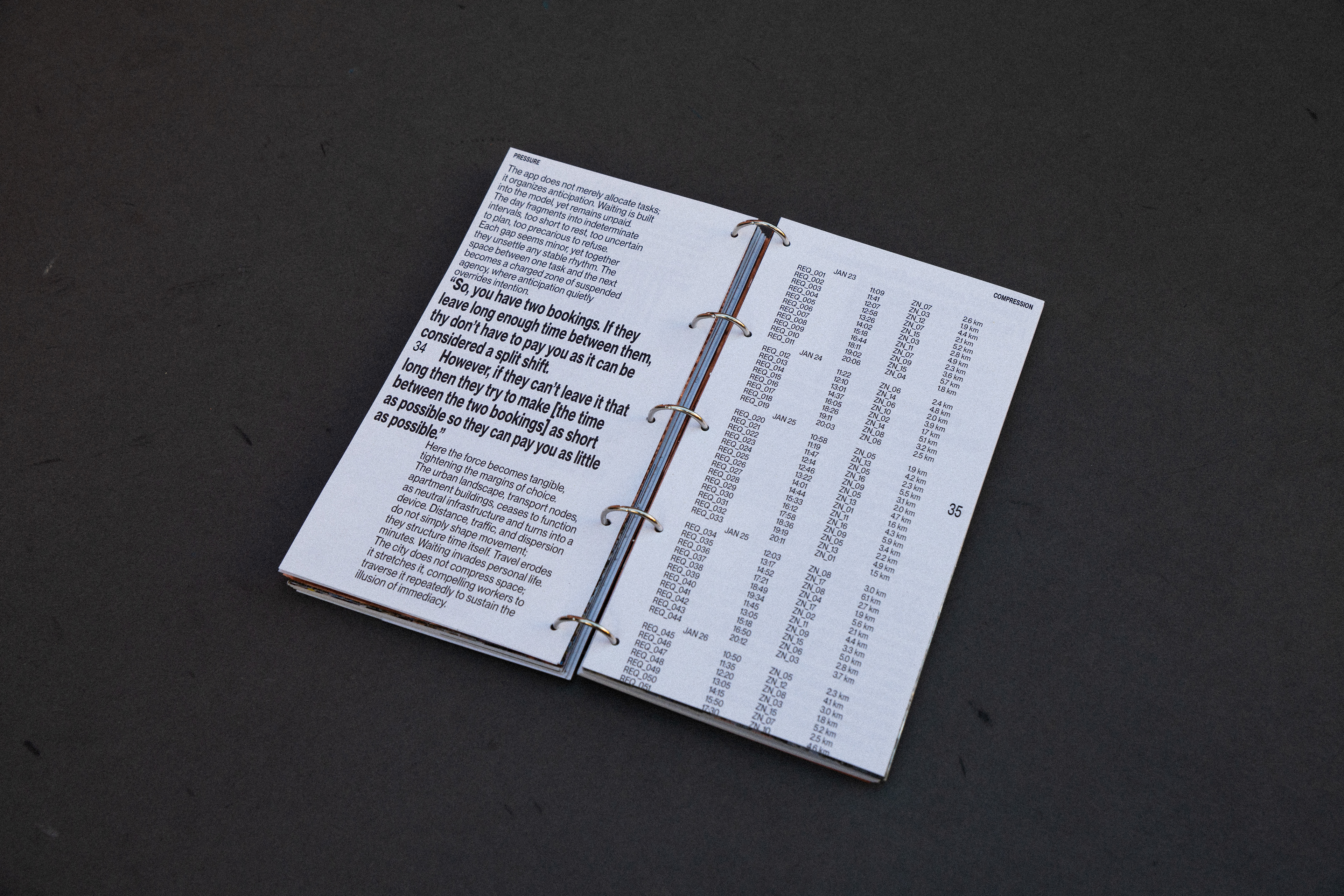
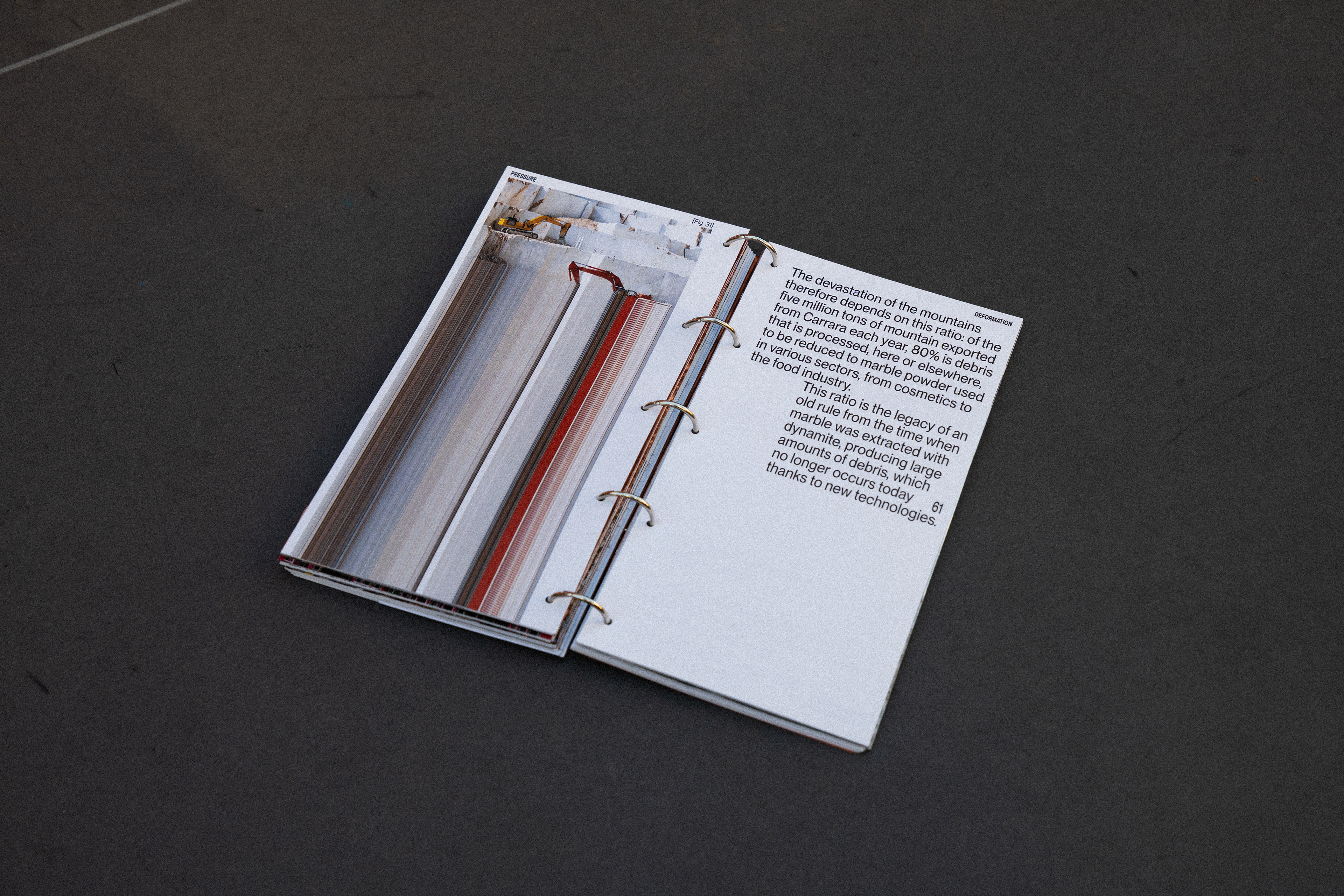
The first issue, Pressure, explores pressure as an invisible yet operative force acting on bodies, infrastructures, and systems. It unfolds through four progressive stages—Accumulation, Compression, Deformation, Breaking Point—making tangible how tension builds, intensifies, and eventually exceeds systemic thresholds.
The first issue, Pressure, explores pressure as an invisible yet operative force acting on bodies, infrastructures, and systems. It unfolds through four progressive stages—Accumulation, Compression, Deformation, Breaking Point—making tangible how tension builds, intensifies, and eventually exceeds systemic thresholds.
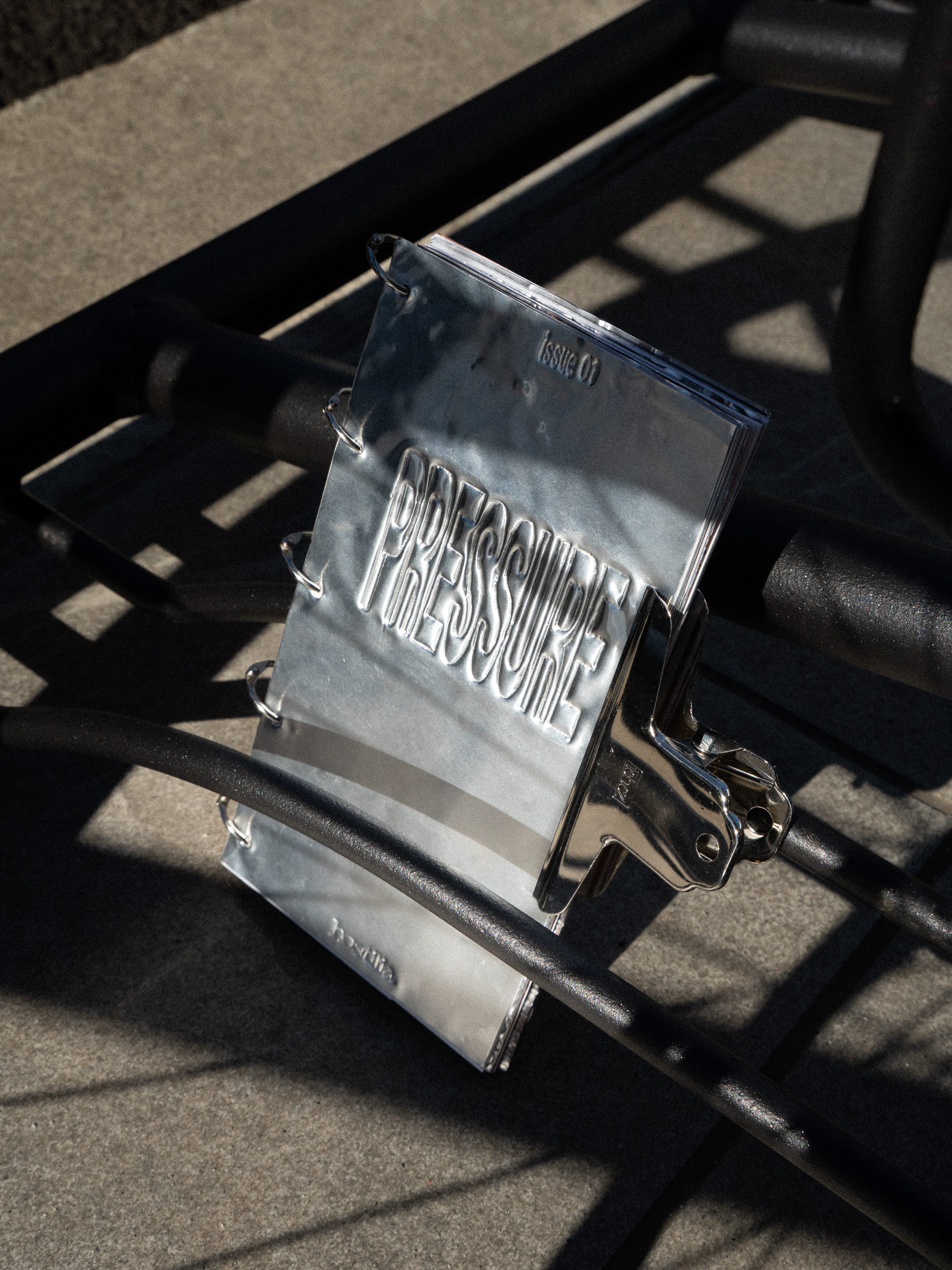
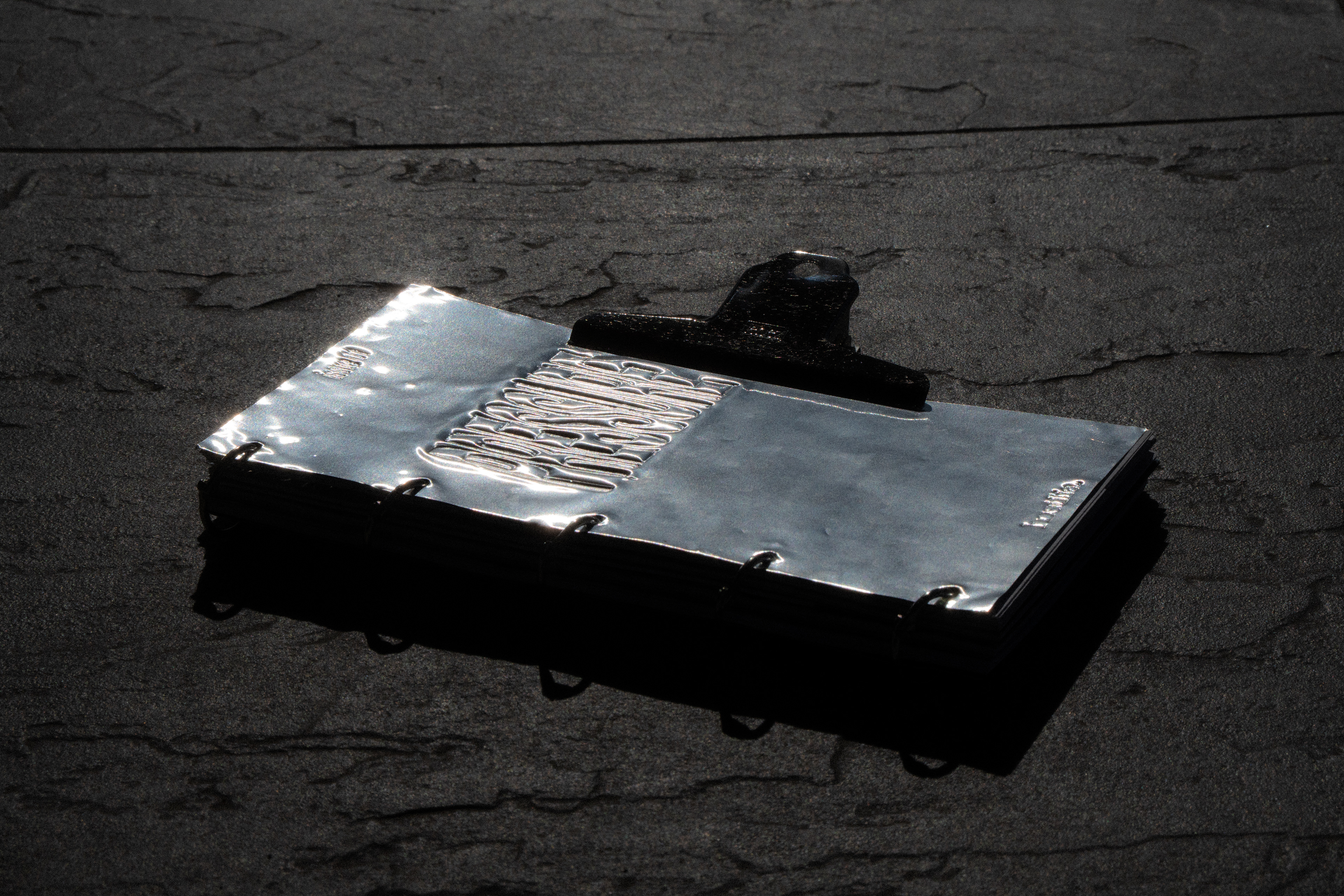
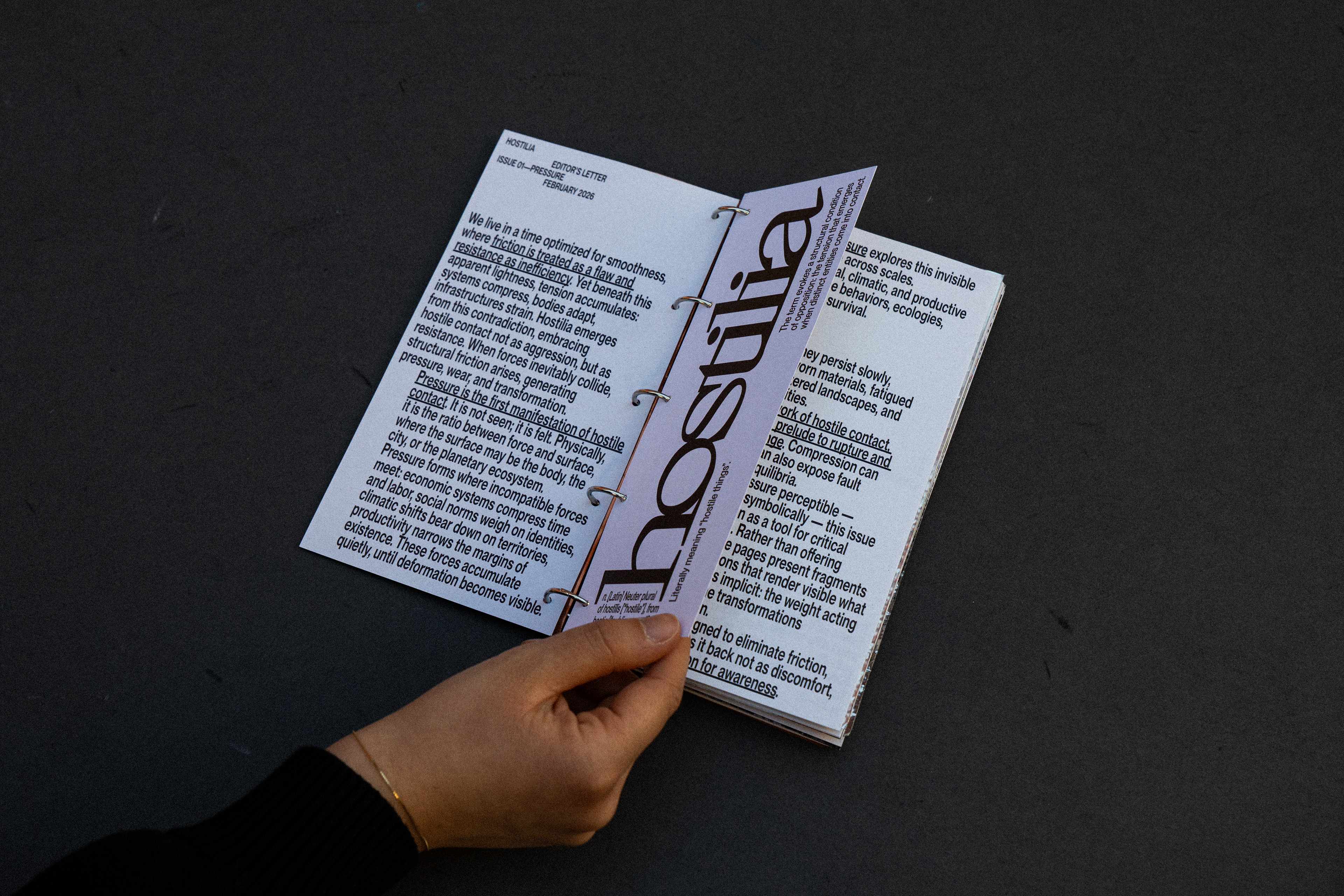
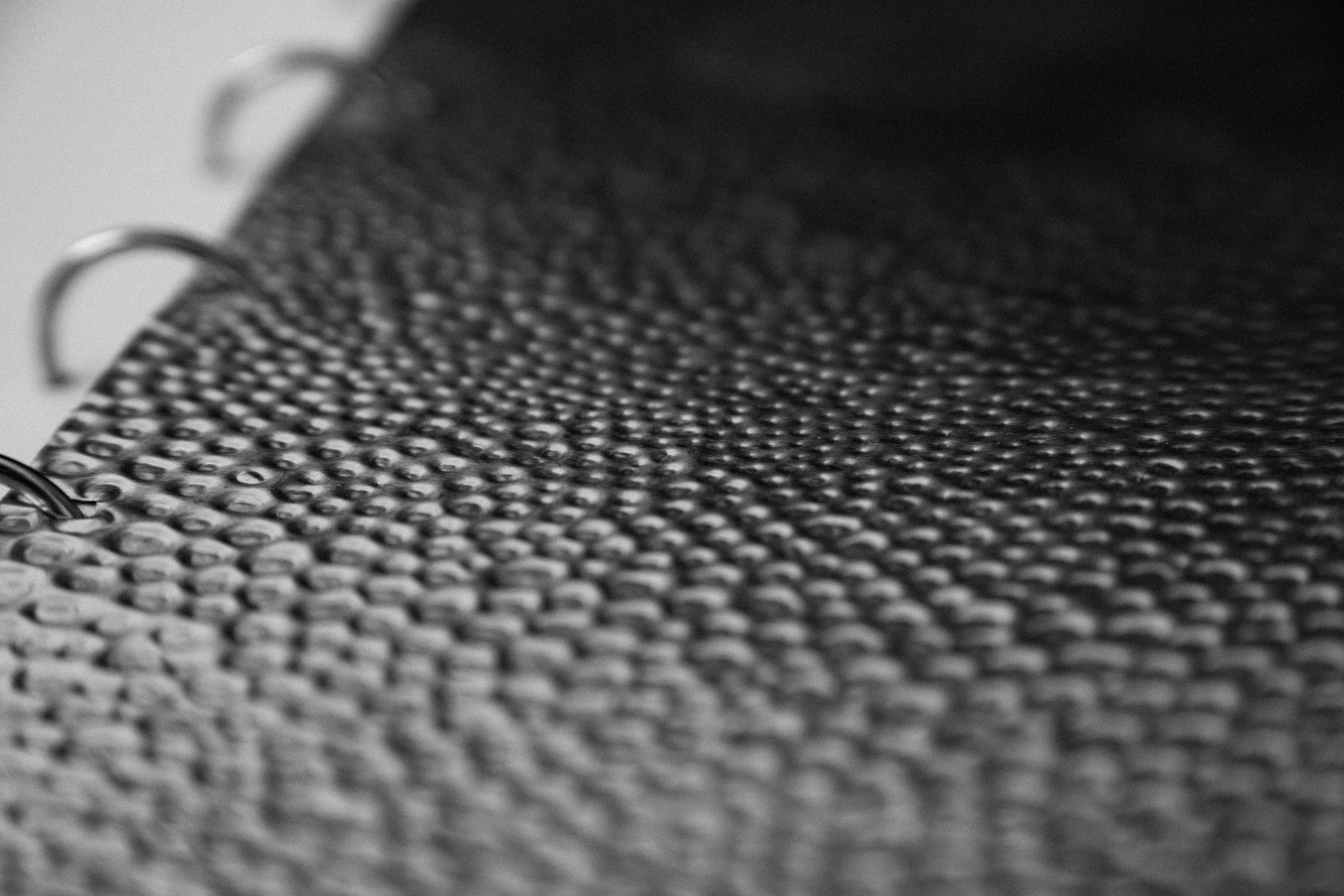
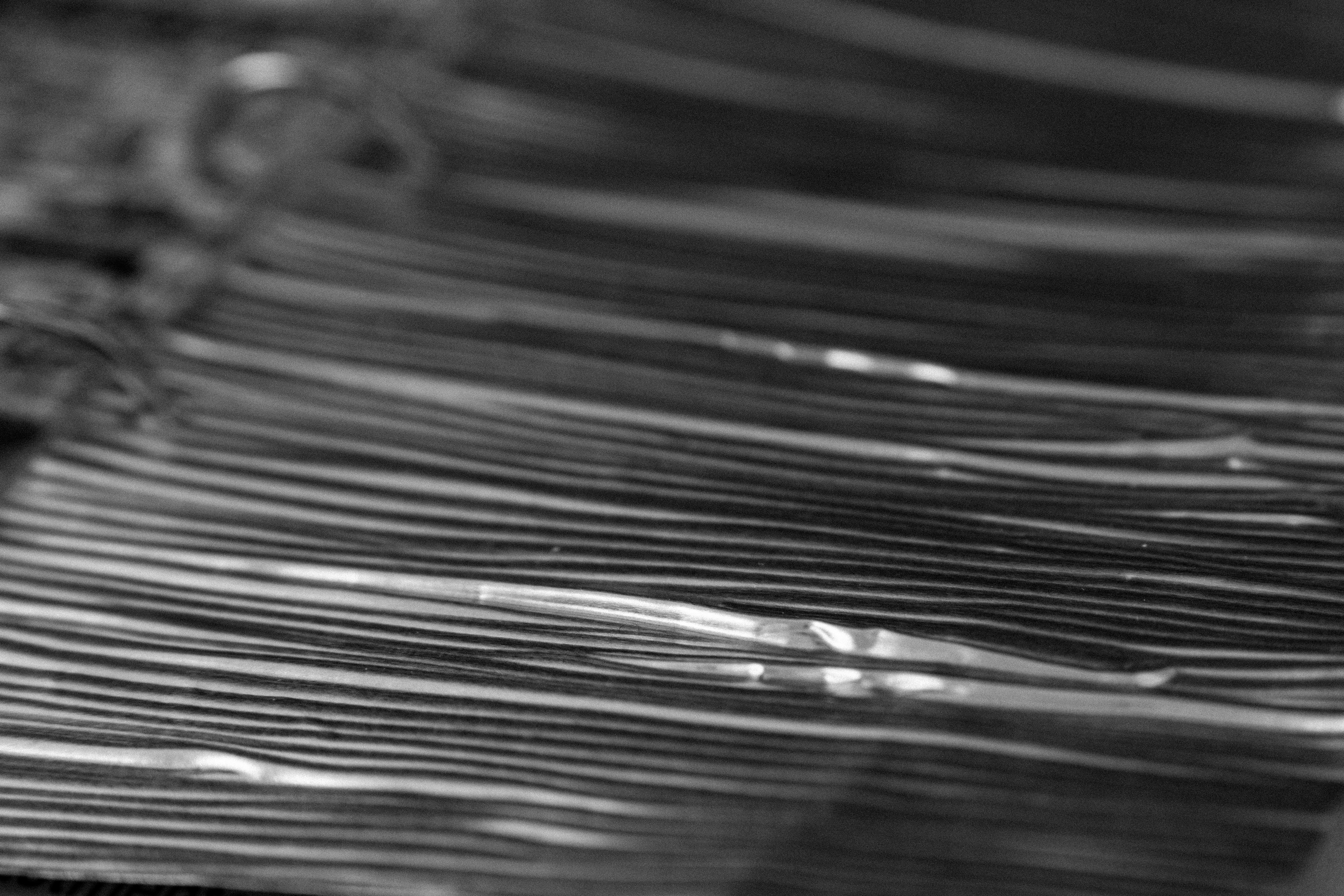
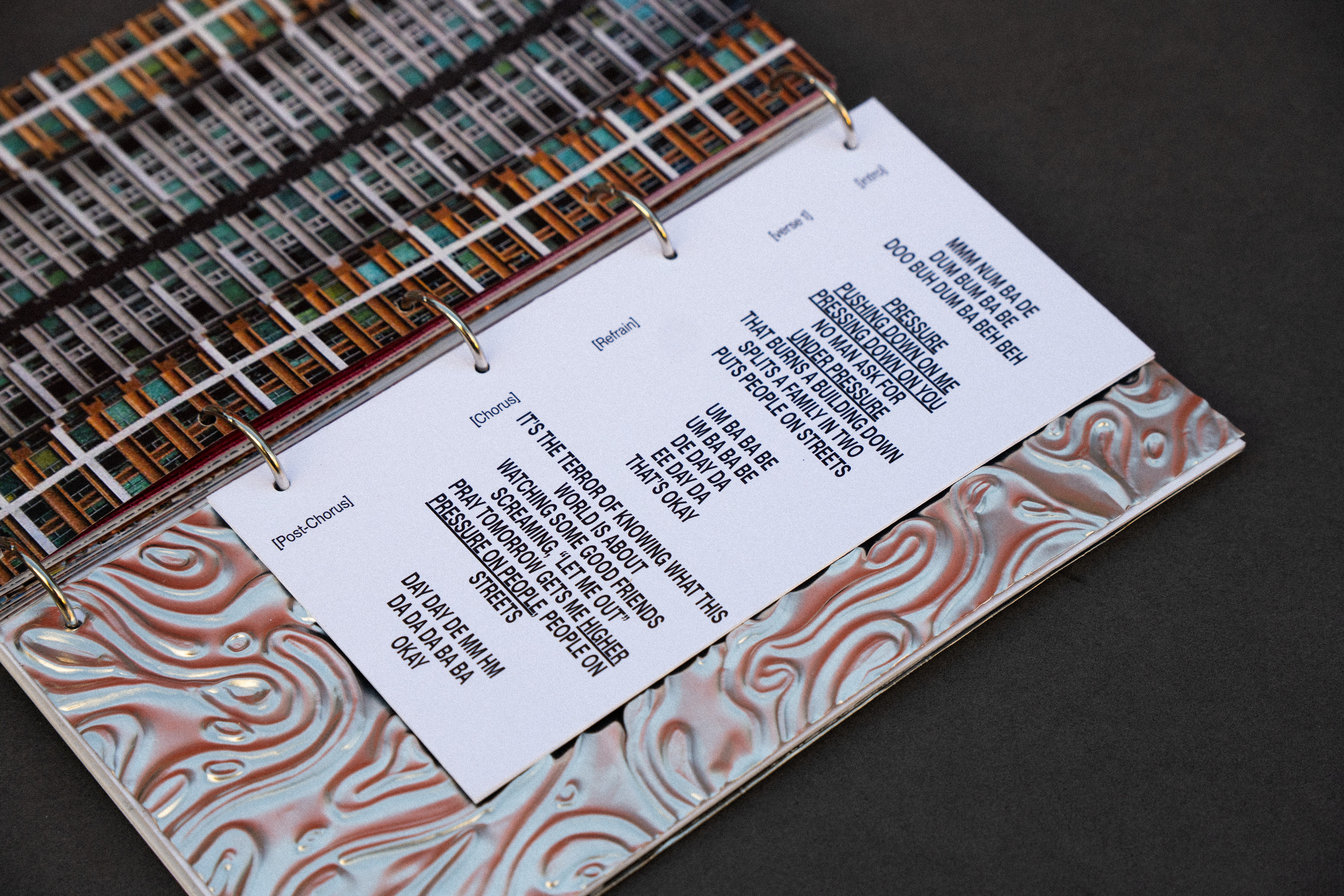
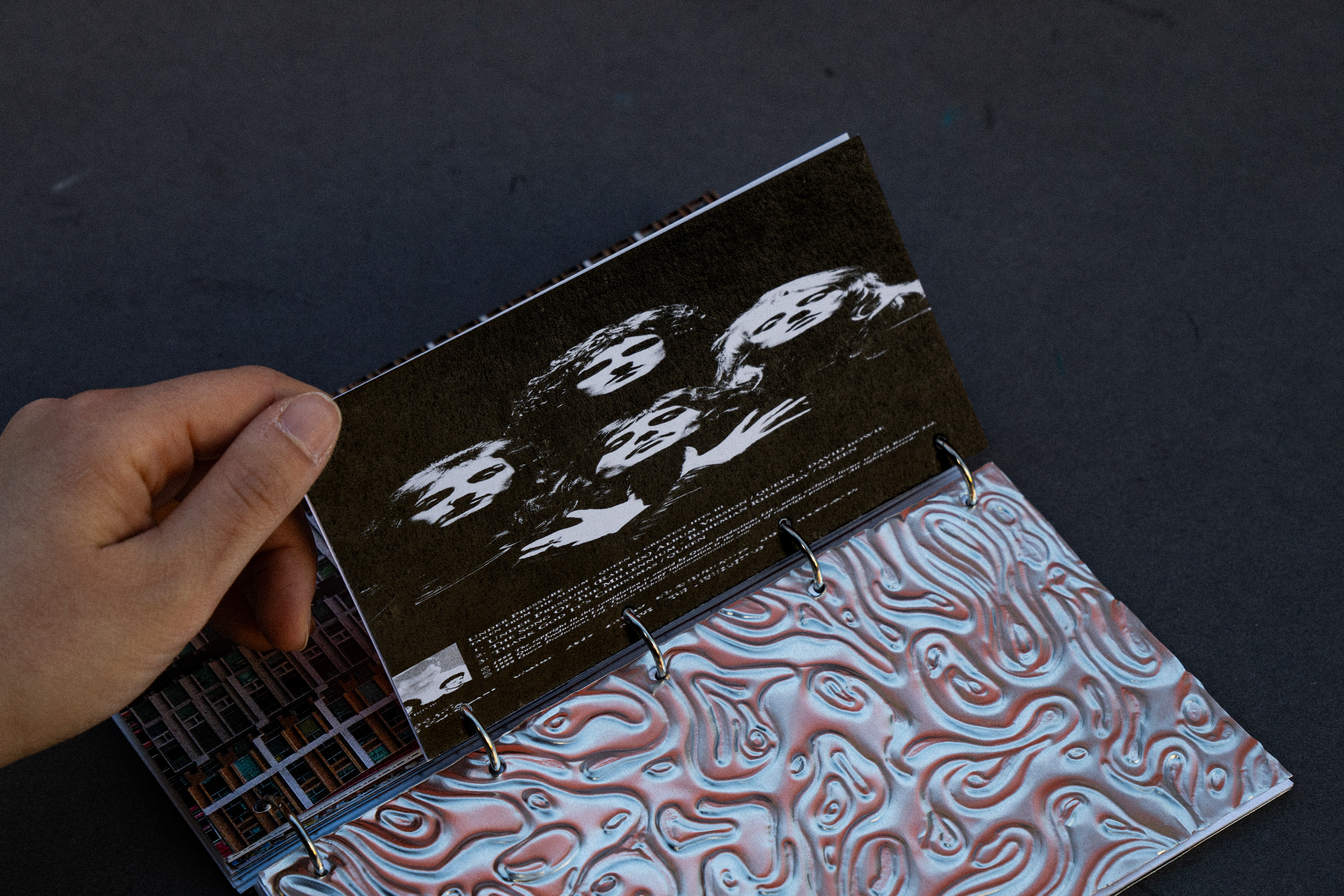
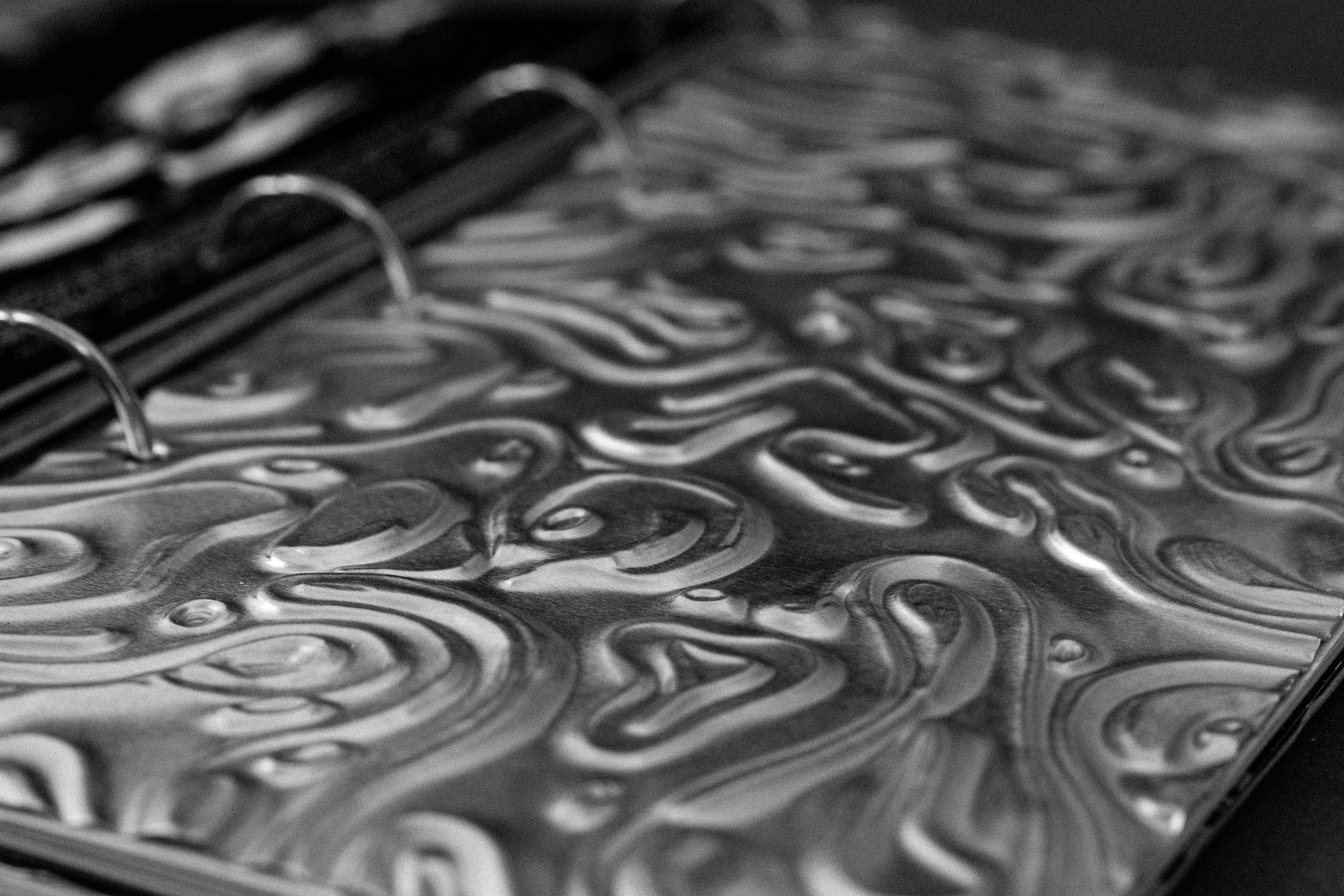
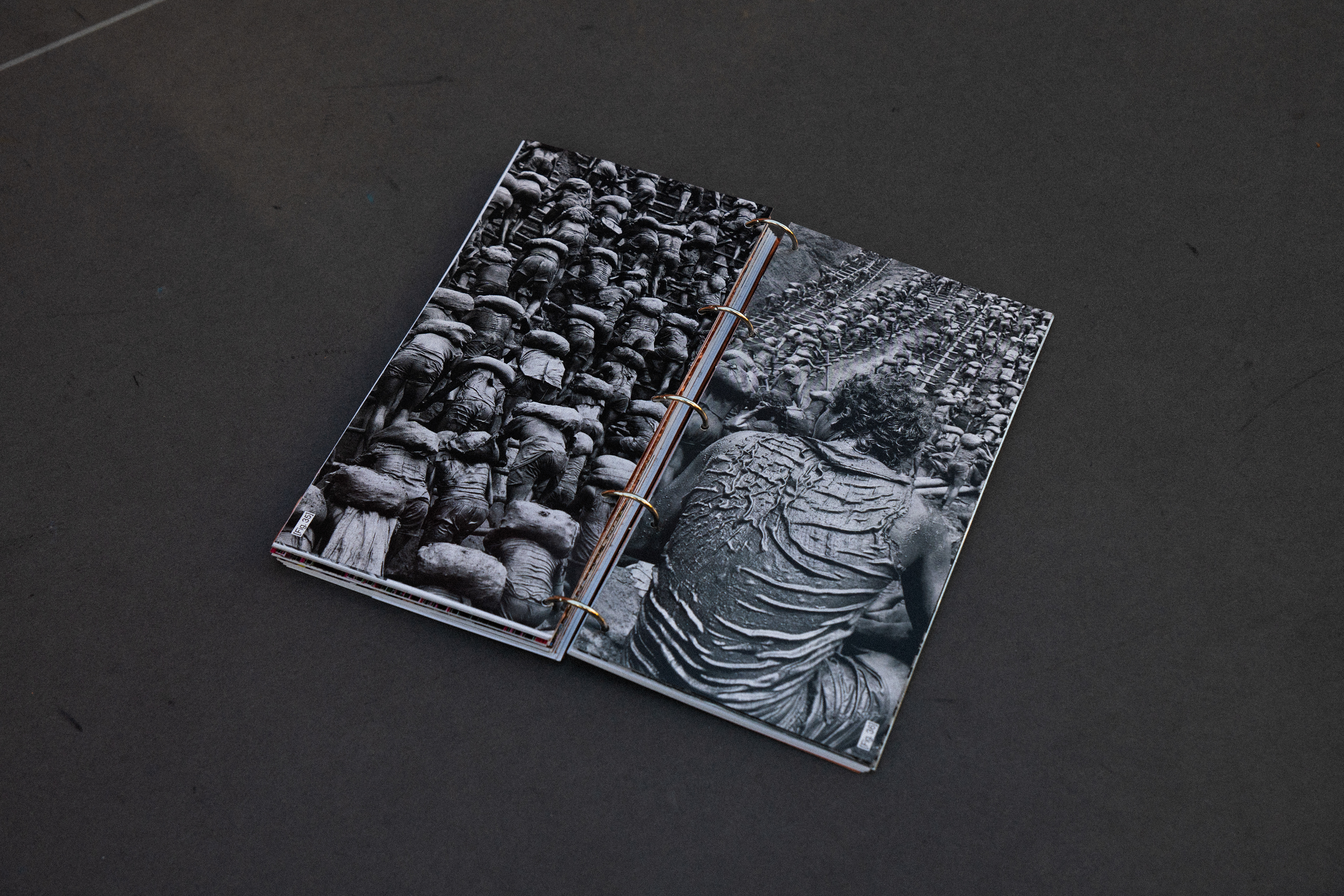
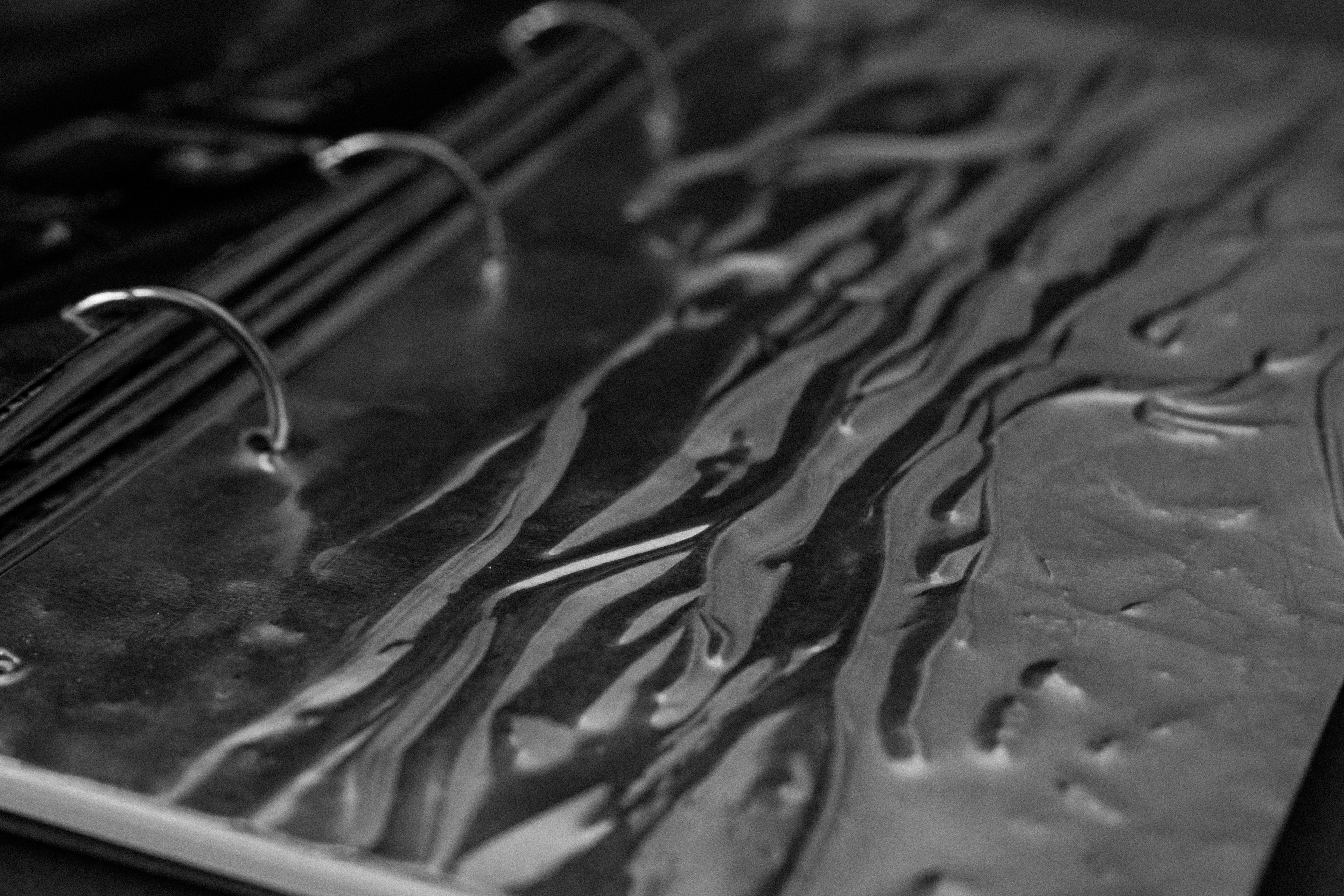
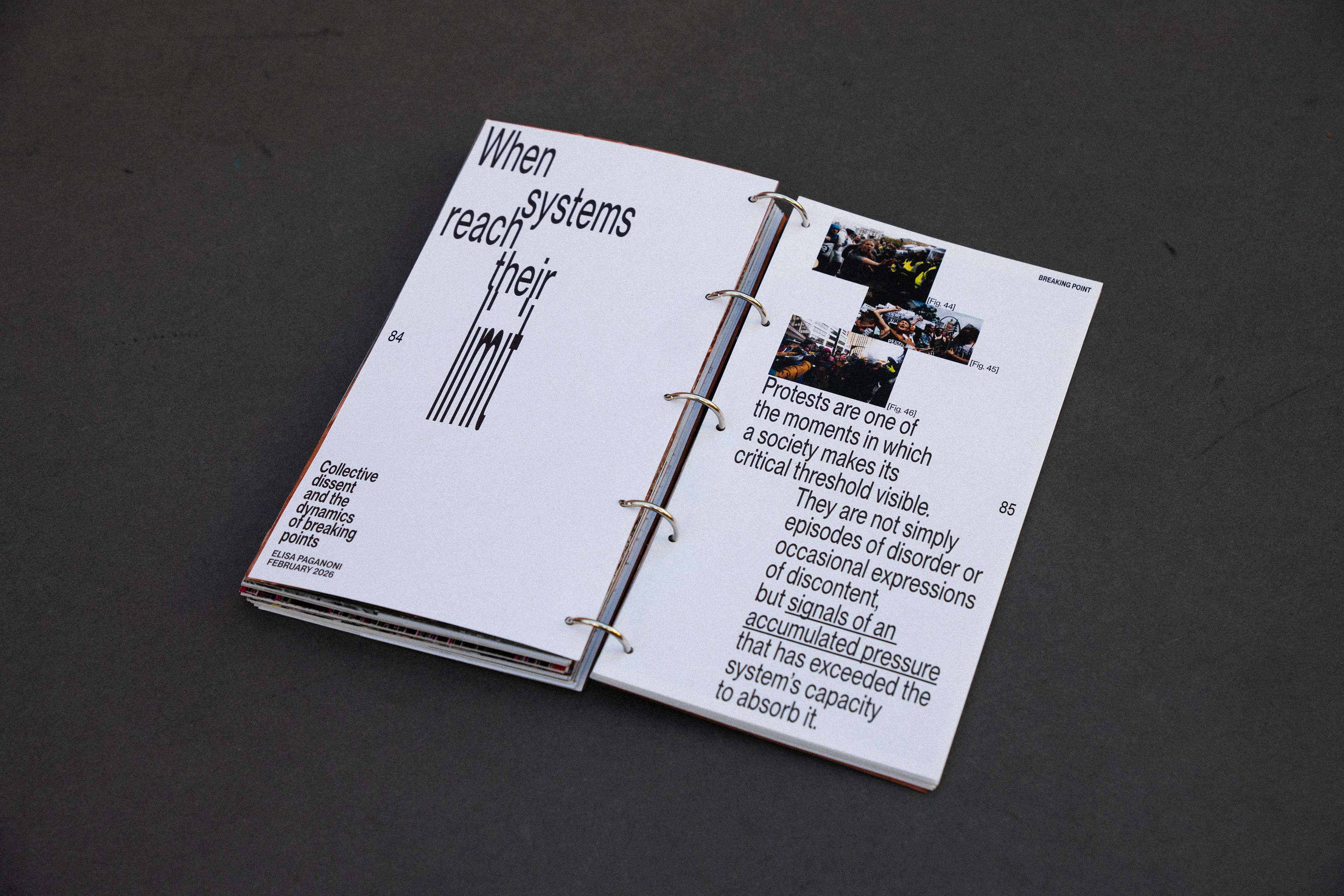
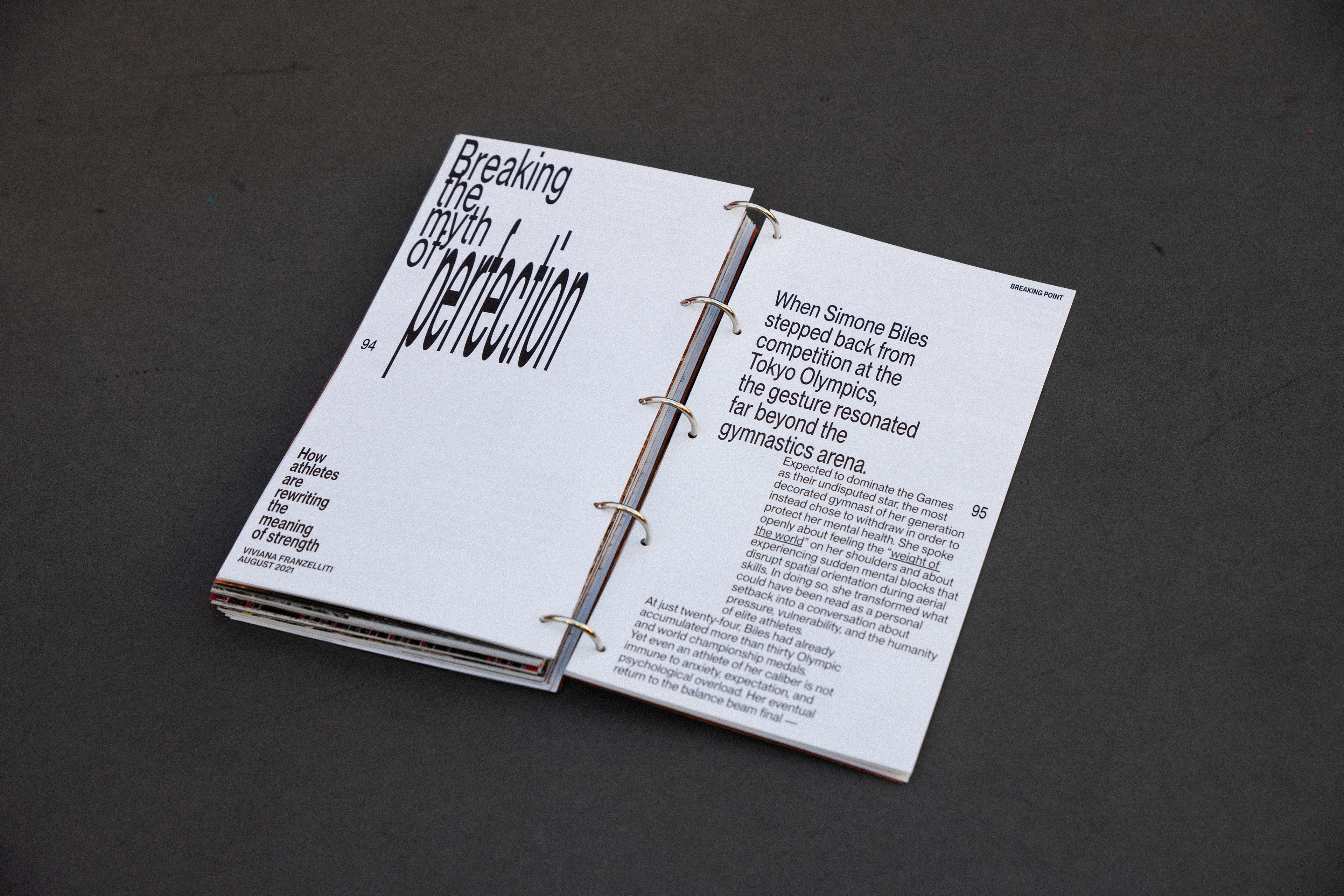
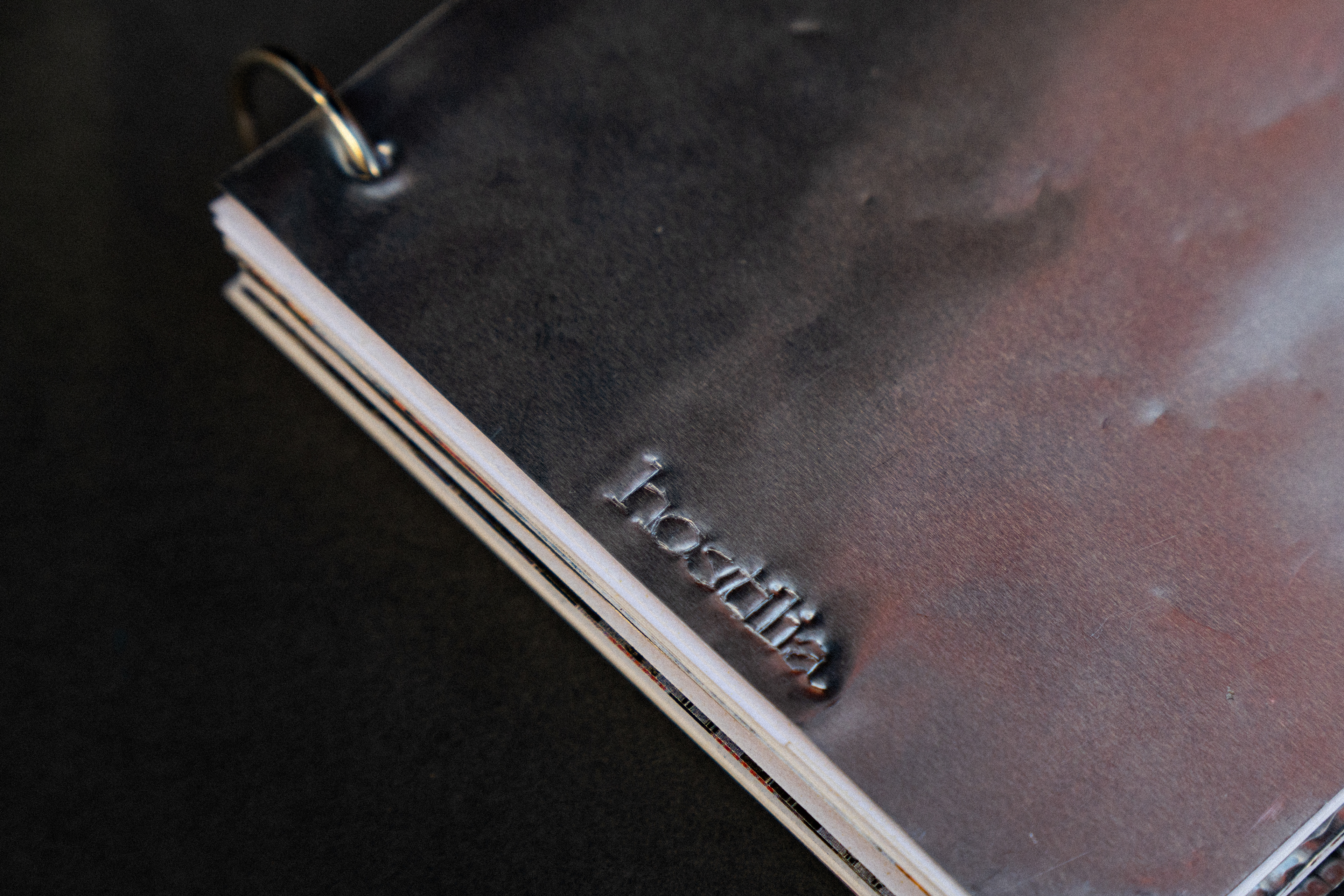
Moving from conceptual framework to physical realization, the project translates the notion of conflict into a tangible, embodied experience. The choice of metallic surfaces, exposed binding, varied paper stocks, pronounced typographic contrasts, and a grid system conceived as operating under stress turn the magazine into a perceptual apparatus.
Material qualities, like weight, friction, resistance, operate as active elements rather than aesthetic finishes, intensifying the dynamics under investigation and opposing the smooth neutrality of digital interfaces.
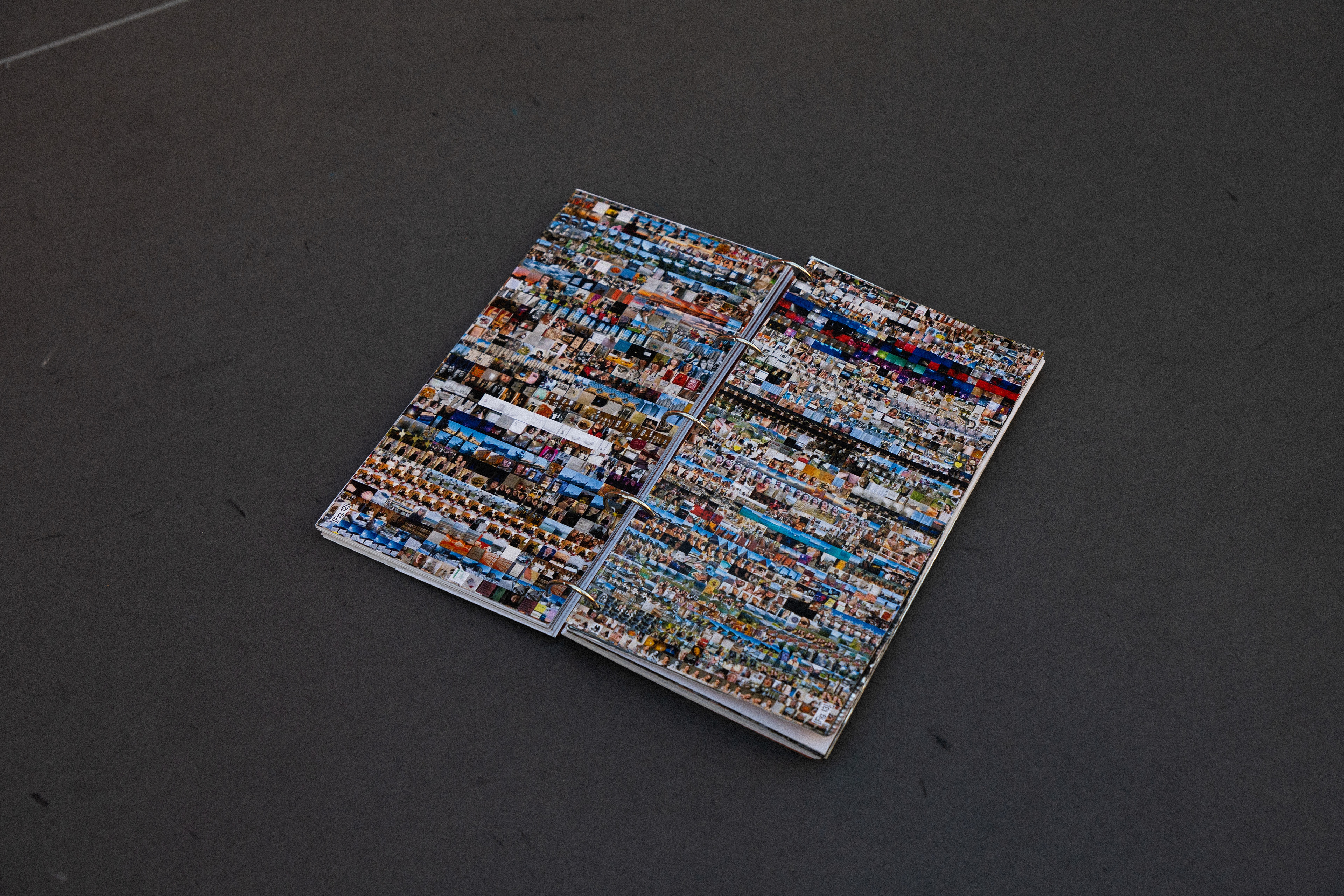
The visual structure follows the conceptual progression: density builds up, space tightens, compositions distort, and sudden ruptures interrupt the reading flow. The outcome is an editorial object that does not simply illustrate hostile contact, but enacts it, using materiality as a critical tool to make underlying tensions visible, physical, and immediate.
Material qualities, like weight, friction, resistance, operate as active elements rather than aesthetic finishes, intensifying the dynamics under investigation and opposing the smooth neutrality of digital interfaces.
The visual structure follows the conceptual progression: density builds up, space tightens, compositions distort, and sudden ruptures interrupt the reading flow. The outcome is an editorial object that does not simply illustrate hostile contact, but enacts it, using materiality as a critical tool to make underlying tensions visible, physical, and immediate.
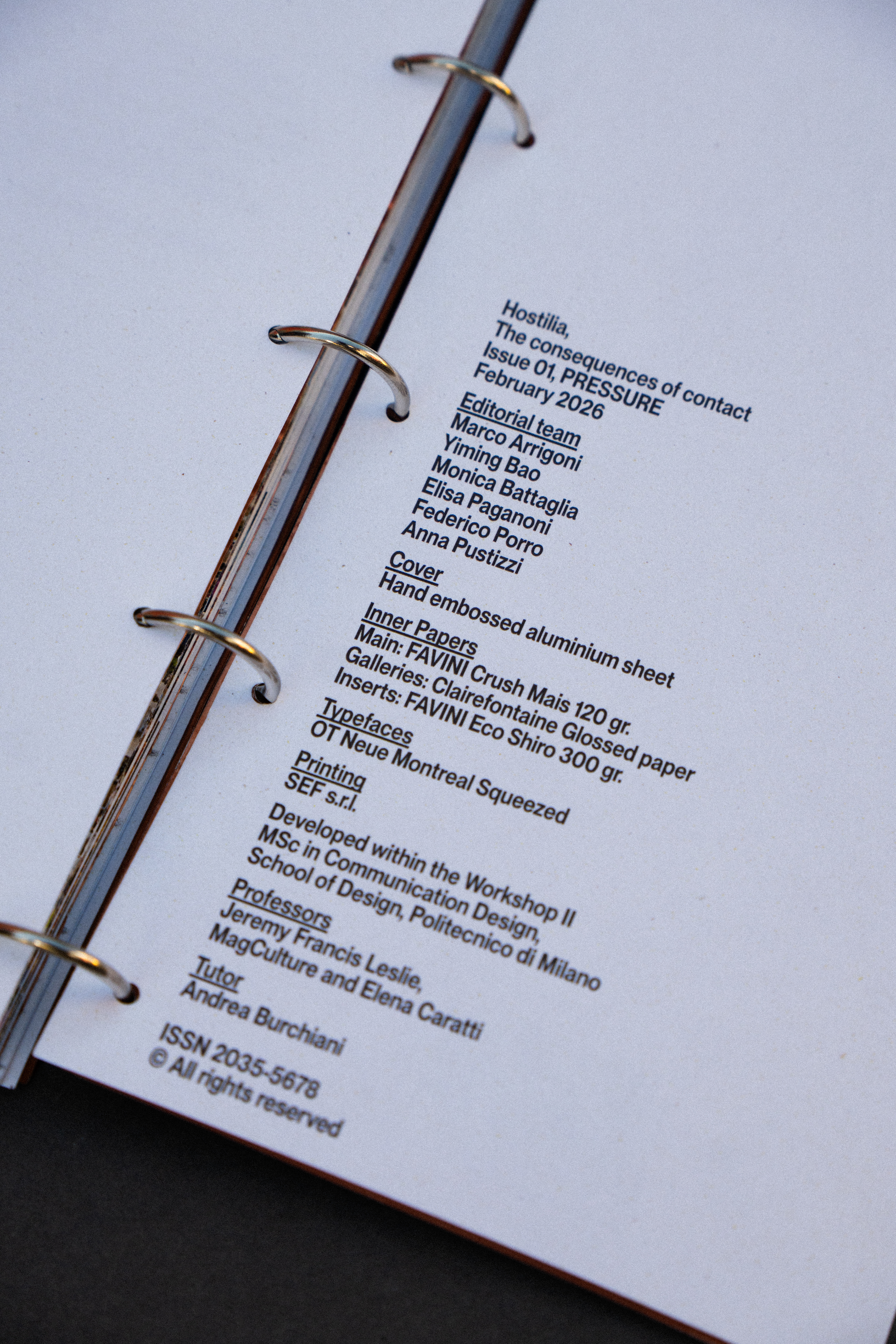
HOSTILIA is an editorial project developed during a 5-day workshop led by Jeremy Leslie, founder of MagCulture.
A.Y. 2025/2026
Workshop II — Politecnico di Milano
Workshop II — Politecnico di Milano
Lecturers: Jeremy Leslie, Elena Caratti, Andrea Burchiani
Team: Marco Arrigoni, Yiming Bao, Monica Battaglia, Elisa Paganoni, Federico Porro, Anna Pustizzi